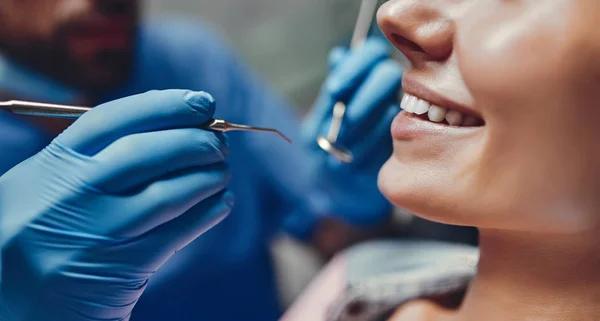
Why One-Size-Fits-All Doesn’t Work in Dental Treatments
When it comes to dental treatments, the notion of a one-size-fits-all approach is increasingly being challenged. Dentistry, like many other fields of healthcare, requires personalized care tailored to the unique needs and circumstances of each patient. The idea that a single treatment plan could effectively address the diverse dental issues faced by different individuals is not only outdated but also potentially harmful.
One primary reason why a standardized approach falls short in dentistry is due to the inherent diversity among patients. People have varying genetic backgrounds, lifestyles, and health conditions that influence their oral health. For instance, two patients with cavities may require entirely different treatment plans based on factors such as age, diet, medical history, and even personal preferences. A generic treatment protocol might overlook these crucial variables leading to suboptimal results or prolonged discomfort for the patient.
Furthermore, dental conditions themselves are not uniform in nature. They can manifest differently depending on numerous factors including severity and location within the mouth. For example, gum disease may present mild symptoms in one individual but severe complications in another. Treating both cases with an identical strategy would likely be ineffective and could exacerbate problems rather than resolve them.
Technological advancements have further highlighted the inadequacies of a one-size-fits-all model in dentistry. Modern diagnostic tools allow dentists to gather detailed information about a patient’s oral health status which can then be used to develop customized treatment plans. Techniques such as digital imaging and 3D modeling provide insights into specific areas that need attention thus enabling read more articles precise interventions.
Patient comfort and satisfaction are also critical considerations that argue against standardized treatments. Dental anxiety is common; hence approaches must be sensitive to individual fears or concerns about procedures like root canals or extractions. Tailoring sedation options or explaining processes thoroughly can make significant differences in how patients perceive their care experience thereby promoting better cooperation during treatments.